
Why HIV Testing is Important
The only way to know if you have HIV is to get tested. Since early HIV may not cause symptoms, regular testing is the best way to monitor your health. It’s especially crucial for people who are at higher risk, such as those who have unprotected sex, shared needles, or have multiple sexual partners.
What is the Window Period in HIV?
The window period refers to the time between potential HIV exposure and when an HIV test can accurately detect the virus in the body. During this period, a person may be infected with HIV but still test negative, because the body hasn't yet produced enough antibodies or viral load for the test to detect.
The window period is crucial because early HIV detection is key to getting the right treatment and preventing the virus from progressing to AIDS. If you’ve been exposed to HIV, you may not show up positive on a test right away, even though the virus is in your body. During this time, you can still transmit HIV to others without knowing it.
The window period typically lasts from 2 to 6 weeks, but it can vary from person to person. Some people may develop detectable levels of HIV sooner, while others may take longer. This is why it's important to follow up with additional testing if you think you've been exposed to HIV.
For example, if you have a potential HIV exposure, it’s best to wait at least 3 months before testing to ensure you get the most accurate result. This is why we recommend regular testing, especially if you are at higher risk of exposure.
Types of HIV Testing
1) HIV RNA or Viral Load tests (also known as Nucleic Acid Tests (NATs))
- How they work: These tests detect HIV's genetic material (RNA) directly in the blood.
- Detection: They are the earliest tests, capable of detecting HIV 10 to 33 days after exposure.
- Use: Often used for people with symptoms and suspected acute infection, or to monitor treatment response.
2) Antigen/Antibody Combination Tests (4th Generation Tests)
- How they work: They look for both the HIV p24 antigen (a part of the virus that appears first) and HIV antibodies.
- Detection: Can detect infection as early as 18 to 45 days after exposure with a blood draw.
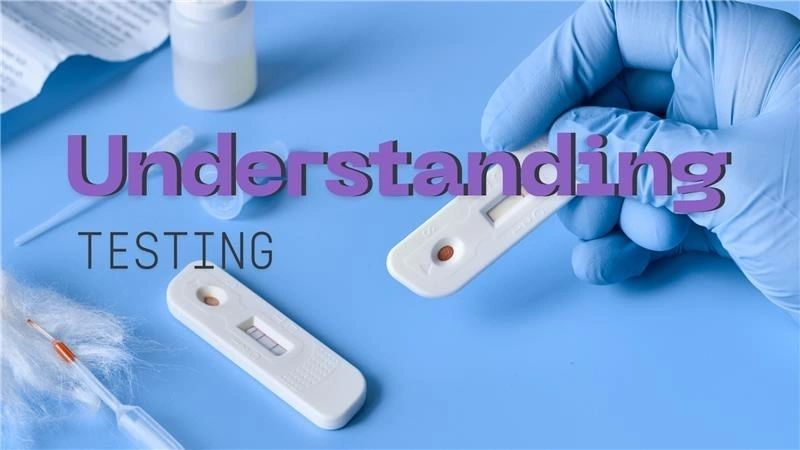
- Types: These can be performed as rapid tests (blood from a finger prick) or laboratory tests (blood from a vein).
3) Antibody Tests (3rd Generation Tests)
- How they work: These tests detect HIV antibodies in blood or oral fluid.
- Detection: They can take longer to detect infection, with window periods up to 90 days after exposure.
- Use: Many rapid and self-tests are antibody tests.
Key Considerations
- Window Period: This is the time between exposure and when a test can reliably detect HIV. Testing outside the window period may yield false-negative results.
- Confirmation: A positive result, especially from a rapid test, should be followed up with a confirmatory blood test at a clinic to confirm the diagnosis.
- Support: Testing through a clinic can provide crucial emotional support, helps the person understand the virus, and immediately links them to treatment or preventative care services.
- Early vs. Latest Detection: If you have a recent potential exposure, a RNA or antigen/antibody test is most appropriate to detect infection sooner.
Need Compassionate Healthcare or Testing?
Care related to this article, at our clinics in St. Petersburg, Dade City, and Wilton Manors:
- HIV PreventionPrEP and PEP guidance, screening and ongoing support to keep you negative.
- Free STI TestingConfidential STI and HIV testing. Walk-ins welcome.