Introduction:
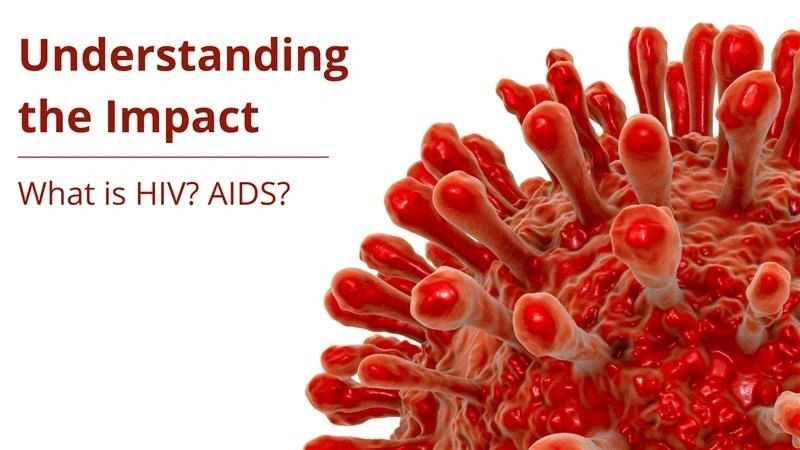
HIV (Human Immunodeficiency Virus) is a virus that affects millions of people worldwide. Despite significant advances in medicine, there are still many misconceptions about what HIV is, how it spreads, and how it can be prevented. In this blog, we’ll break down what HIV is, how it impacts the body, how it’s transmitted, and why it’s so important to get tested regularly.
What is HIV?
HIV is a virus that attacks the immune system, specifically the CD4 cells (also called T cells), which help protect the body from infections. Over time, if untreated, HIV can severely weaken the immune system, making it harder for the body to fight off infections and diseases.
How HIV Works:
HIV targets and destroys T cells, which are essential for defending the body against infections. The virus replicates inside these cells, using them to create more copies of itself. As the virus spreads and destroys more T cells, the body becomes less able to fight infections, leading to AIDS (Acquired Immunodeficiency Syndrome) if left untreated.
However, HIV does not automatically lead to AIDS. With modern treatment options like antiretroviral therapy (ART), people living with HIV can manage the virus, prevent it from progressing to AIDS, and live long, healthy lives.
How is HIV Transmitted?
HIV is transmitted through certain body fluids from an HIV-positive person. These fluids include:
- Blood
- Semen
- Vaginal fluids
- Rectal fluids
- Breast milk
The most common ways HIV is spread are through:
- Unprotected sexual contact (vaginal, anal, or oral sex)
- Sharing needles or syringes with someone who has HIV
- Mother-to-child transmission during childbirth or breastfeeding (but this can be prevented with treatment)
- Exposure to contaminated blood, such as through needle-stick injuries in healthcare settings
HIV is NOT spread through casual contact, such as hugging, shaking hands, or sharing food or drinks.
HIV Symptoms: What to Look For
Many people don’t experience symptoms in the early stages of HIV, which is why regular testing is so important. The most common symptom is no symptom at all! However, when symptoms do appear, they can resemble flu-like symptoms and may include:
- Fever
- Fatigue
- Swollen Lymph Nodes
- Sore Throat
- Muscle Aches
These symptoms usually show up 2 to 4 weeks after exposure and are referred to as acute HIV infection or acute retroviral syndrome (ARS). After this initial phase, the virus enters a phase of clinical latency, where it remains in the body without causing significant symptoms.
The Difference Between HIV and AIDS
It’s important to distinguish between HIV and AIDS. While HIV is the virus, AIDS is the most severe stage of the disease. People with HIV can live with the virus for many years without ever progressing to AIDS, especially with the help of ART.
Without treatment, HIV can progress to AIDS in about 10-12 years, but with modern treatments, people with HIV can keep the virus under control and live healthy, fulfilling lives.
Need Compassionate Healthcare or Testing?
Care related to this article, at our clinics in St. Petersburg, Dade City, and Wilton Manors:
- HIV PreventionPrEP and PEP guidance, screening and ongoing support to keep you negative.
- Free STI TestingConfidential STI and HIV testing. Walk-ins welcome.