
What’s the Difference, How to Prevent the Spread, and Treatment Options
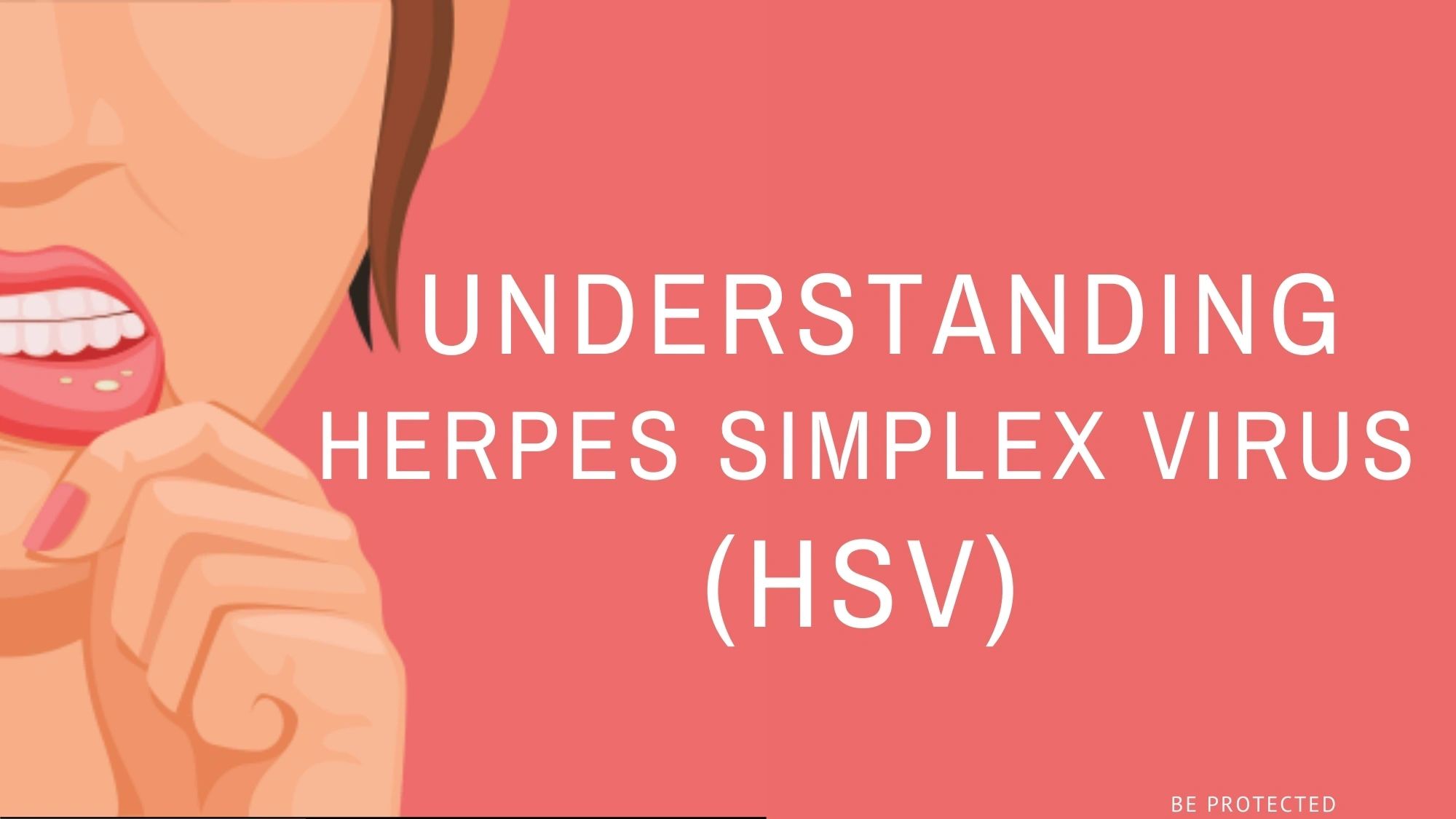
Herpes simplex virus (HSV) is a very common viral infection that affects millions of people worldwide. There are two main types: HSV-1 and HSV-2. While they are related, they differ in how they are commonly transmitted, where symptoms appear, and how they are managed. Understanding these differences can help reduce stigma, prevent transmission, and support effective treatment.
What Is HSV-1?
HSV-1 is most commonly associated with oral herpes, which can cause cold sores or fever blisters around the mouth and lips. Many people are exposed to HSV-1 during childhood, often through non-sexual contact such as kissing or sharing utensils. Herpes simplex virus (HSV) is a very common viral infection that affects millions of people
Key points about HSV-1:
· Often causes oral sores, but can also infect the genital area
· Frequently spread through direct skin-to-skin contact
· Many people have HSV-1 without ever developing noticeable symptoms
What Is HSV-2?
HSV-2 is most commonly associated with genital herpes. It is usually transmitted through intimate skin-to-skin contact involving the genital area.
Key points about HSV-2:
· More likely to cause recurrent genital outbreaks
· Transmission often occurs even when no visible sores are present
· Symptoms, when they occur, may include tingling, itching, or painful blisters
Important Similarities Between HSV-1 and HSV-2
· Both are lifelong viral infections
· Both can be transmitted without symptoms (asymptomatic shedding)
· Both are manageable with antiviral medications
· Neither virus defines a person’s overall health or lifestyle
How to Prevent Spreading HSV to Others
Preventing transmission is an important part of managing HSV. While no method is 100% effective, these steps significantly reduce risk:
· Avoid direct contact during outbreaks, when sores or symptoms are present
· Use barrier protection, such as condoms or dental dams, during intimate contact
· Take daily antiviral medication if prescribed, which reduces viral shedding
· Communicate openly with partners about HSV status
· Avoid sharing personal items like lip balm or razors during active outbreaks
Education and honest communication play a key role in prevention.
HSV Testing: Why Timing Matters
HSV testing is not one-size-fits-all, and timing plays an important role in test accuracy.
Limitations of blood-based HSV testing when no symptoms are present:
· Blood tests detect antibodies, not the virus itself
· Antibodies can take weeks to months to develop after exposure
· Early testing may result in false-negative results
· Positive results do not show when or where the infection occurred
· Routine blood testing without symptoms may cause unnecessary anxiety
Why testing during an active outbreak is most accurate:
· Swab tests collect a sample directly from sores or blisters
· Detects the actual virus, not just immune response
· Accurately identifies HSV-1 vs HSV-2
· Provides faster, clearer results to guide treatment
What to do:
· If you have symptoms, seek care within 24–48 hours of an outbreak
· If you do not have symptoms but are concerned about exposure, talk with a healthcare provider before testing
Treatment Options for HSV-1 and HSV-2
There is currently no cure for herpes, but treatment is very effective at controlling symptoms and reducing transmission risk.
Antiviral medications are the mainstay of treatment, including:
· Acyclovir
· Valacyclovir
· Famciclovir
These medications can be used in two ways:
· Episodic therapy – taken during outbreaks to shorten symptom duration
· Suppressive therapy – taken daily to reduce outbreak frequency and transmission risk
Most patients tolerate these medications well and are able to maintain a normal, healthy lifestyle.
When to See an Infectious Disease Specialist
You should consider evaluation by a healthcare provider if:
· You have new or unexplained sores
· Symptoms are frequent or severe
· You are immunocompromised
· You have questions about prevention, testing, or long-term management
An infectious disease specialist can provide accurate diagnosis, counseling, and individualized treatment plans.
Final Thoughts
HSV-1 and HSV-2 are common, manageable conditions. With proper education, preventive strategies, and medical care, people living with herpes can protect their health and the health of others. Reducing stigma and encouraging informed conversations are essential steps toward better public health.
If you have concerns about herpes or other infectious diseases, our clinic is here to help.
Need Compassionate Healthcare or Testing?
Care related to this article, at our clinics in St. Petersburg, Dade City, and Wilton Manors:
- Free STI TestingConfidential STI and HIV testing. Walk-ins welcome.
- Primary CareEveryday and preventive care for adults, with continuity across our network.